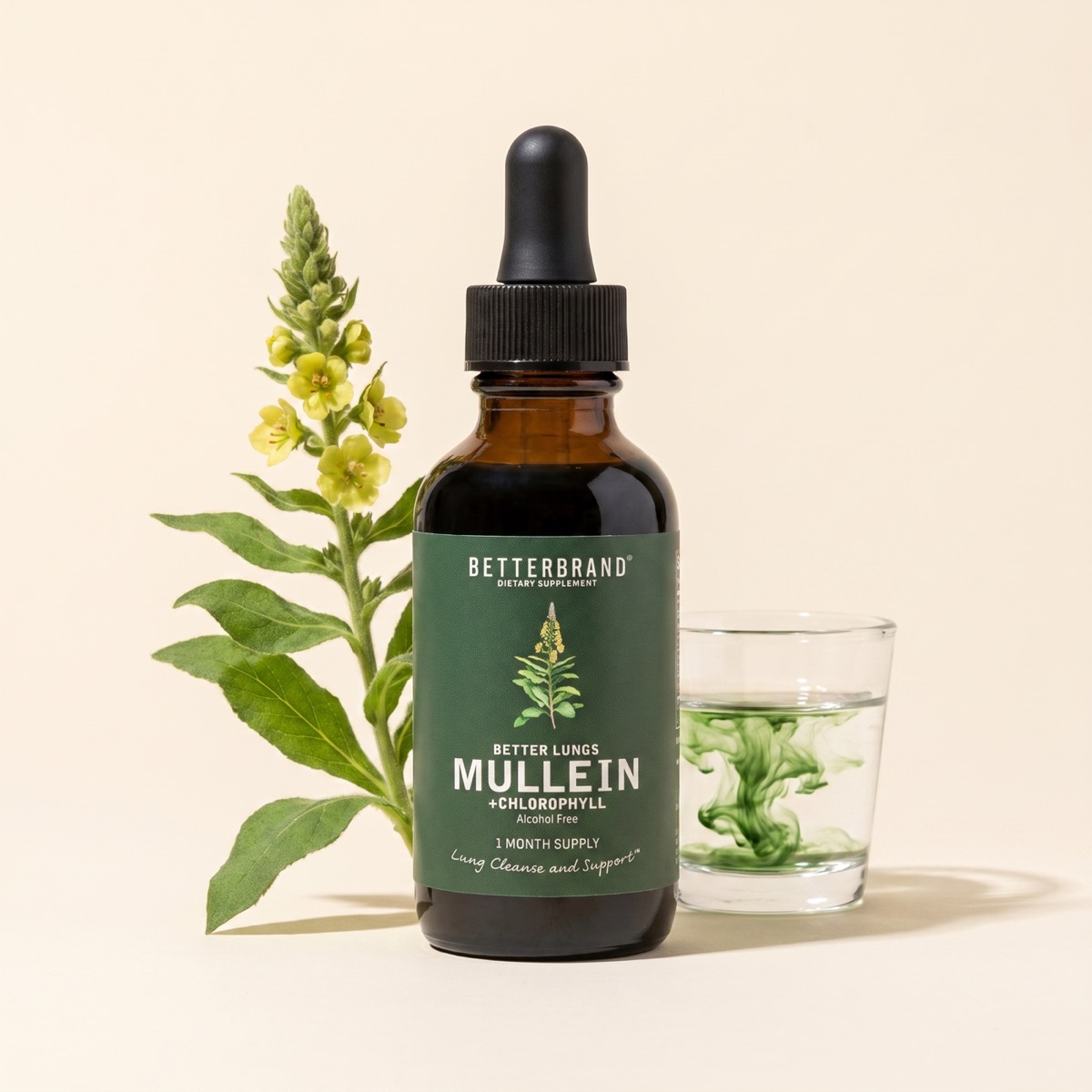
Buyer's Guide · Lung Supplements
5 Things the Lung-Supplement Aisle Won't Tell You Before You Buy
Maybe you walk this aisle because you are wiped out by mid-afternoon, or because that morning cough has become part of getting up. Either way, most of what is on the shelf was not made for you. Here are five things the aisle leaves off the label. The fifth one is why most people quit by Thursday, before they ever find out if anything works.

Stand in front of that wall of bottles and look at who the packaging is really talking to. A lot of it is written for people who already feel fine and just want a gentle daily green. The rest goes after the most scared shoppers, promising to "clear" or "cure" things a supplement legally cannot touch. Almost nobody stocks the plain option in between: a botanical with the dose printed right on it, for someone whose energy and stamina have been slipping for years and just wants to keep up a daily routine.
So before you hand over the money, here are five things the shelf would rather you did not stop to think about.
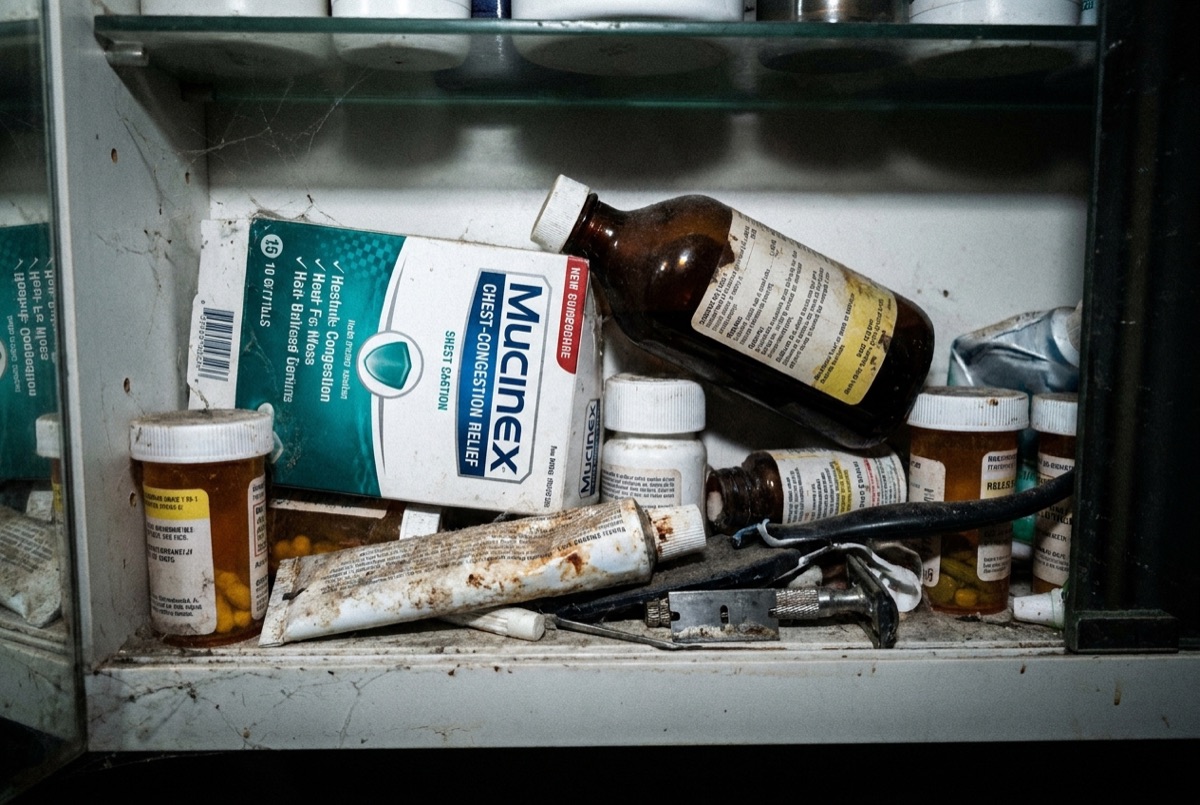
The OTC Shelf
Mucinex Was Built for a Bad Week, Not a Whole Season
An expectorant like Mucinex is made to loosen up chest congestion during a cold, then get out of the way once you are better. That is exactly what the box says, and for a short cold it does its job.
The trouble starts when it becomes a reflex, reached for week after week like it is a daily routine. It was never meant to be one. A five-day cold medicine is not a daily habit, and the aisle rarely spells that out for you.
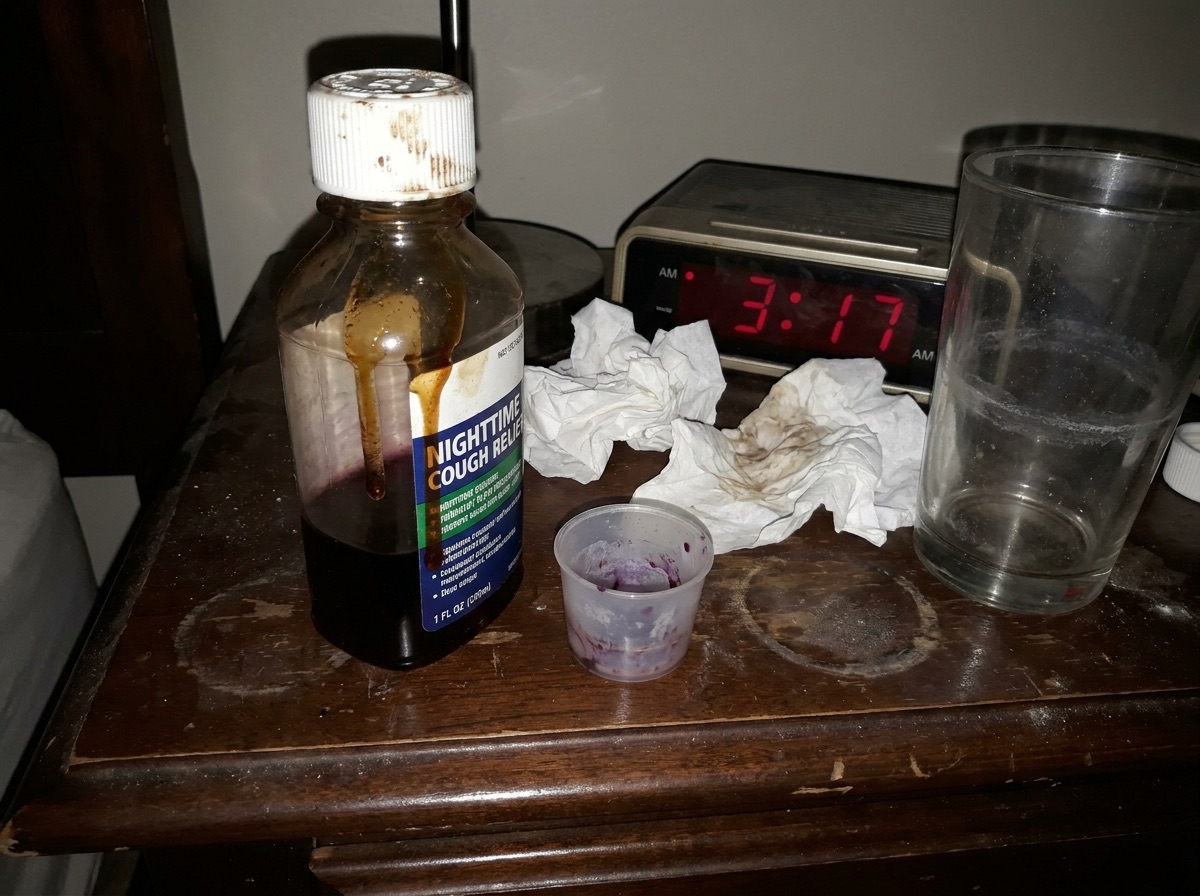
The 3 A.M. Bottle
The Nighttime Bottle Buys One Quiet Night, Not a Routine
A nighttime cough syrup is built to sedate you through one rough night. It works, which is exactly why the sticky bottle ends up living on the nightstand instead of the cabinet.
But being knocked out cold is not a routine anybody actually wants. Morning comes and you are right back where you started, already counting the hours to the next dose. Needing a bottle just to fall asleep is not the same as feeling better.
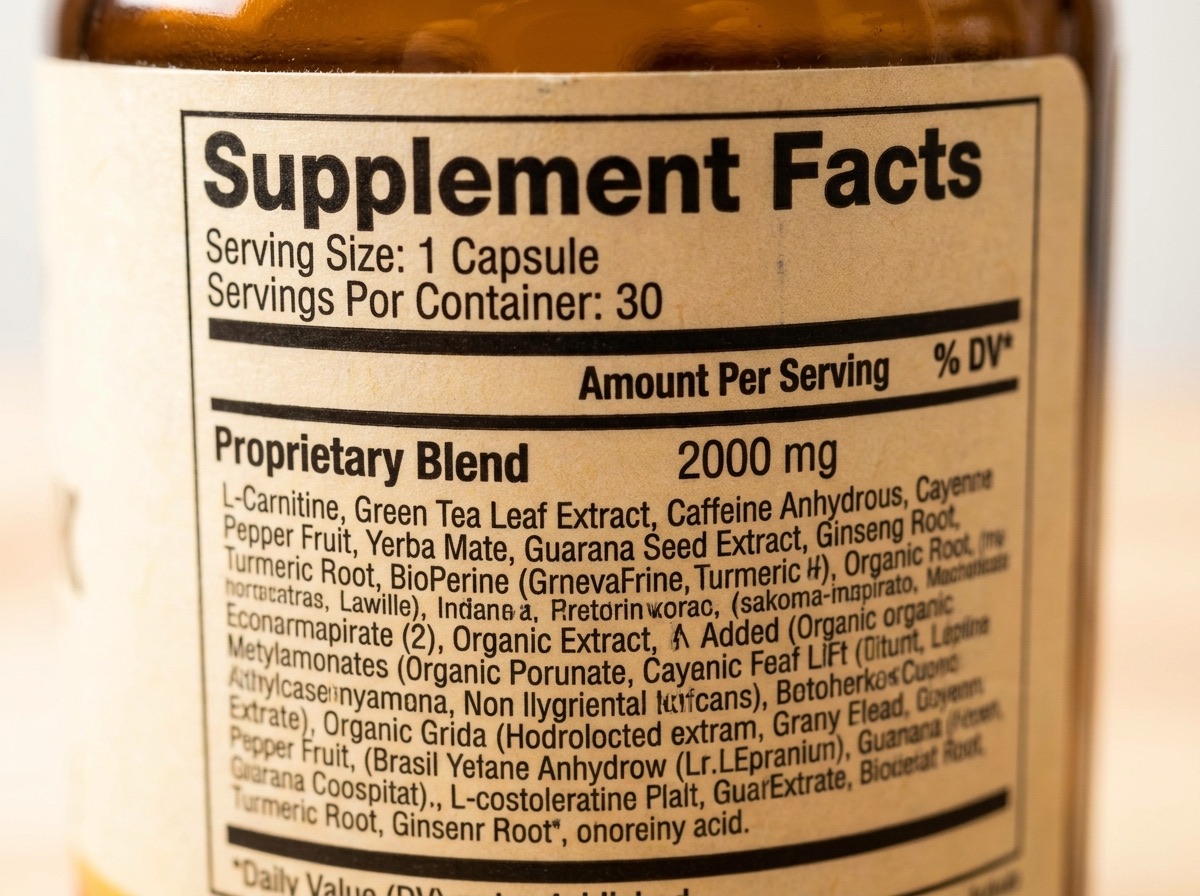
The Fine Print
A "Proprietary Blend" Is a Polite Way to Hide the Dose
When a label lists one "proprietary blend" with a single total number, it is showing you the sum of everything in the capsule, not how much of the ingredient you actually came for.
You could be paying for 1,900mg of filler and 100mg of the part that matters, and the front of the bottle would look identical either way. It is legal, and it also keeps you from seeing what you paid for. The brands that stand behind their doses print every number right on the label where you can read it.

The Plant Itself
People Have Used Mullein for Generations. Modern Labels Just Under-Dose It
Mullein is not a new discovery. It is a common roadside plant that people have steeped and sipped for generations to support everyday respiratory comfort.
The plant is not the problem. The problem is a shelf full of products that add a token pinch of it, just enough to print the name on the front, then charge you like you got a real dose. Using an old remedy is fine. Using it at a dose you can actually read on the label is a lot better.
Why People Quit by Thursday
Nobody Warns You the Hard Part Is Choking It Down Every Day
Here is the fifth thing, and it is the one that quietly ends more routines than any ingredient ever does. Most people do not quit because a botanical stopped working. They quit because the thing they bought is a chore.
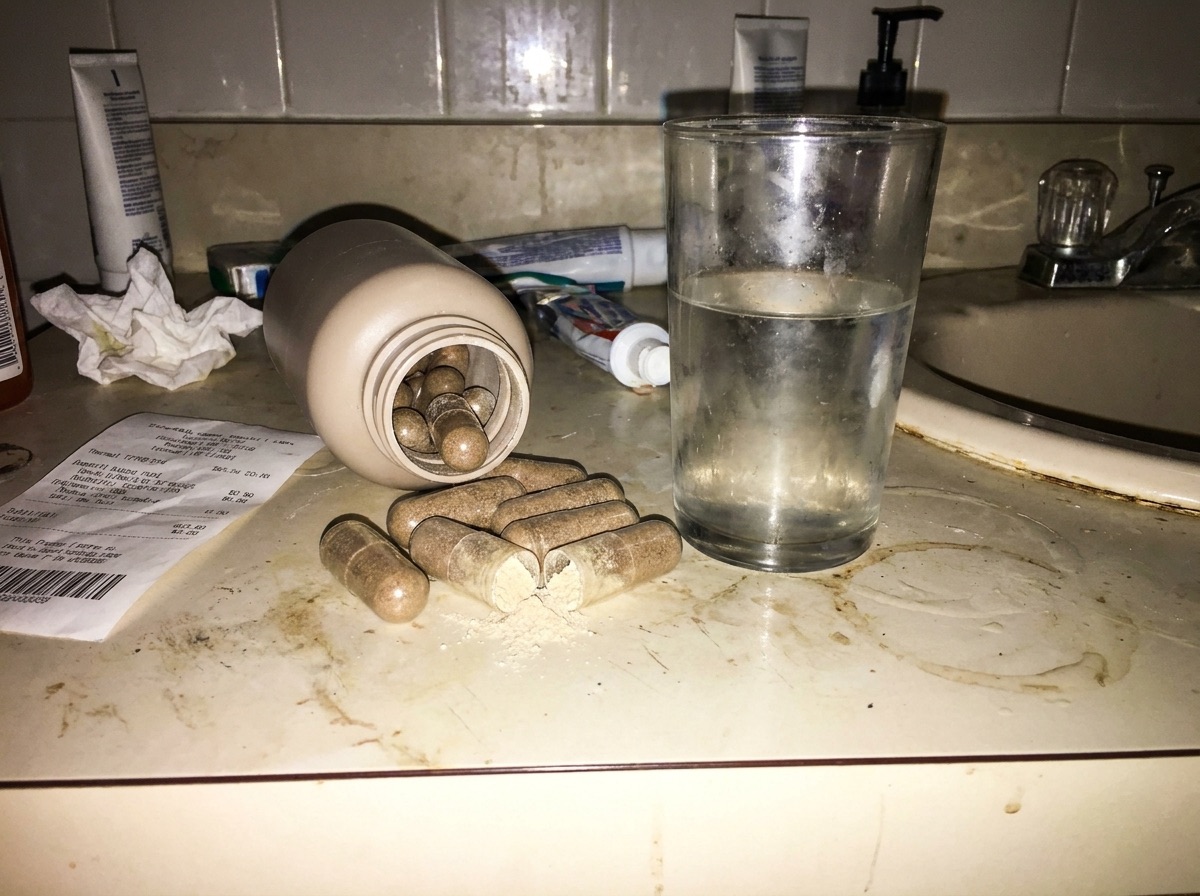
It is a fistful of horse-pills, or a gritty powder that sticks to the side of the glass. You start dreading it by day three and forgetting it by day five. Nobody keeps up a daily habit they hate, and the shelf never warns you that the format is what usually beats you.